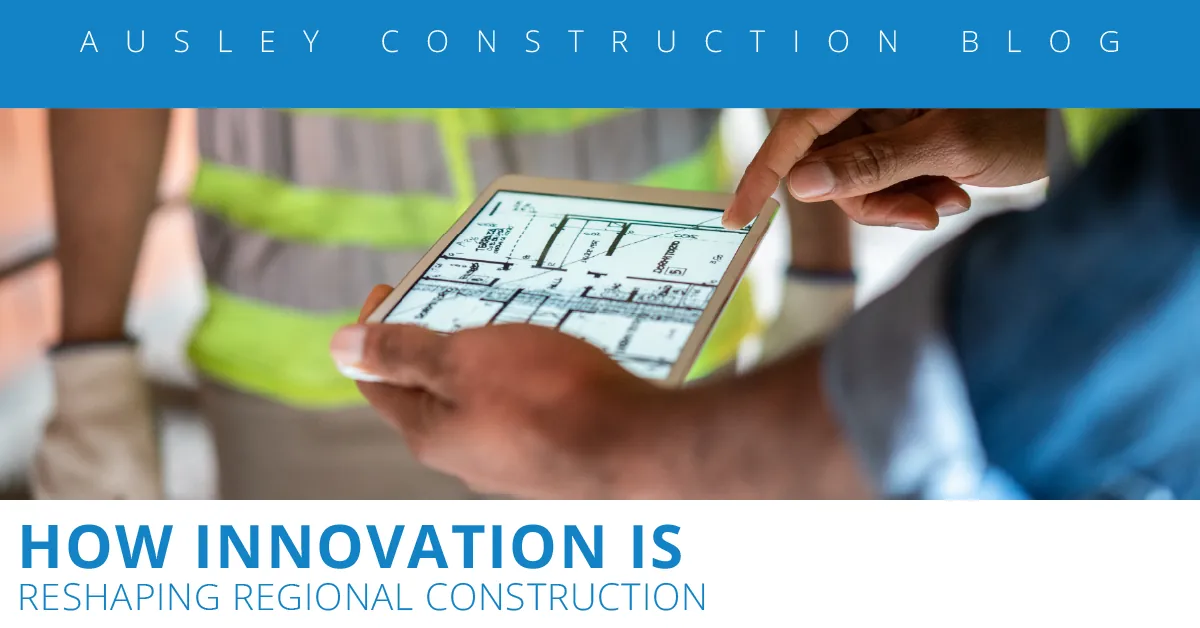
From preconstruction and project management to communication and field operations, new technologies are helping construction teams work smarter, improve coordination, and deliver better outcomes across increasingly complex projects.
Construction has always been an industry built on experience, relationships, and careful planning. Today, technology is adding new tools to that foundation. As construction projects become more complex and firms expand across multiple markets, technology is helping project teams access better information, communicate more efficiently, and make decisions earlier in the process.
For regional construction firms like Ausley Construction, innovation isn't about replacing the experience that has guided the company for decades. For us, it’s about using technology to strengthen that experience and give project teams better tools to plan, coordinate, and deliver successful projects.
Some of the most important decisions on a construction project happen before construction begins. Technology is helping construction teams evaluate projects earlier and with greater visibility. Digital plans, estimating platforms, building information modeling (BIM), and project management systems can give owners, architects, and contractors a more complete understanding of a project before work begins.
This can help our teams:
The value isn't simply having more technology but rather having better information at the point when decisions can still be made. When potential challenges are identified during preconstruction, the project team has more opportunities to address them before they affect the schedule, budget, or construction process.
Construction involves a large network of people, companies, and disciplines working toward the same goal. Owners, architects, engineers, subcontractors, suppliers, and project managers all need access to accurate information. As projects grow more complex, keeping everyone aligned becomes increasingly important.
Digital project management platforms can centralize drawings, schedules, documentation, communications, and other project information. Instead of relying on disconnected systems or information that may be difficult to access, teams can work from a shared source of information.
For regional construction firms, this connectivity becomes even more valuable. Our teams may be working across different offices, markets, and jobsites, but project information needs to remain accessible and consistent. Technology helps create that connection while allowing local teams to remain responsive to the specific needs of each project.
Today's construction teams have access to mobile tools that allow project information to move more easily between the office and the field. Digital documentation, mobile reporting, electronic drawings, scheduling tools, and other field technologies can give project teams better visibility into what's happening on the jobsite.
This can improve communication around:
The result is a more connected project team, with information moving quickly between the people responsible for planning and those responsible for execution.
One of the biggest opportunities created by construction technology is the ability to turn project information into better decisions. Project teams can use data to track schedules, monitor costs, identify trends, and evaluate potential impacts before they become larger issues.
This doesn't eliminate uncertainty from construction. Every project has variables that can't be fully predicted. Instead, better information can help teams recognize those variables sooner and respond more effectively.
For owners, that can mean greater visibility into how a project is progressing. For construction teams, it can mean more opportunities to identify potential challenges and develop solutions before they affect the project.
Artificial intelligence is also beginning to influence how construction teams approach planning and project management. AI tools can assist with tasks such as analyzing project information, identifying patterns, supporting scheduling, organizing documentation, and helping teams evaluate large amounts of data.
The potential is significant, but technology still needs context.
Construction projects involve physical environments, changing conditions, multiple stakeholders, and decisions that require experience and judgment. AI can help teams process information, but experienced construction professionals remain responsible for understanding what that information means and determining how to act on it.
The future of construction isn't technology replacing experience. It's technology giving experienced teams better information to work with.
Technology can make information more accessible, improve communication, and help teams identify potential challenges earlier, but successful construction still depends on experience, judgment, and people.
At Ausley Construction, we see technology as a tool that strengthens decades of construction knowledge, helping today's teams plan more effectively, communicate more clearly, anticipate challenges, and manage increasingly complex projects.
Innovation isn't about adopting technology simply because it's new; it's about finding better ways to solve problems, improve coordination, and deliver value to clients. As technology continues to evolve, we're continuing to look for ways to bring innovation and experience together to build smarter and deliver better outcomes for our clients.
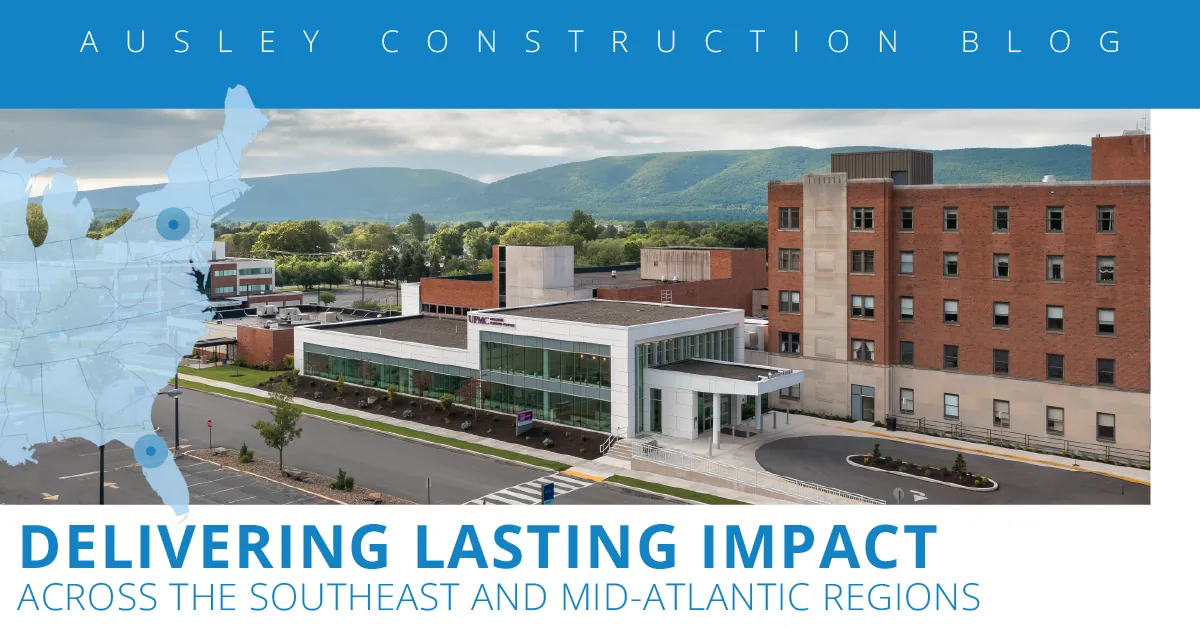
Every community has unique needs, priorities, and challenges. Construction partners who understand those differences are better equipped to deliver projects that serve owners today while supporting the growth of the surrounding regions in years to come.
For more than 65 years, Ausley Construction has partnered with clients to build educational facilities, healthcare environments, manufacturing operations, and public infrastructure across Florida, the Southeast, and the Mid-Atlantic. What began as a local construction company in Ocala has grown into a regional construction management firm built on long-term relationships and consistent project delivery.
Today, we provide construction management, preconstruction, and project management services from Florida to Pennsylvania.
Every project is shaped by its location’s limitations and requirements. Building in Florida requires careful planning around hurricane season, evolving building codes, and rapid population growth. Projects in the Mid-Atlantic bring snow, extreme cold, and different regulatory requirements. Understanding these regional factors allows our project teams to anticipate challenges ahead of time before they have the chance to affect schedule, budget, or quality.
Decades of regional experience have also helped us build strong relationships with architects, engineers, subcontractors, and suppliers. This helps projects move efficiently and supports dependable communication throughout the construction process.
We are incredibly grateful that our portfolio of projects includes buildings that become part of the communities we serve. Schools create environments where students learn, and educators help build the next generation. Healthcare facilities improve access to care for growing populations. Manufacturing and distribution facilities create jobs while supporting regional economies. Municipal buildings provide essential public services that residents depend on every day.
Regardless of project type, our goal remains the same – to deliver facilities that have forever in mind and create lasting value for both the owners and the communities they serve.
Long before construction begins onsite, our team works closely with owners during preconstruction to establish budgets, coordinate schedules, and identify opportunities to reduce risk. This approach and thorough process allow us to maintain our track record of on-time and under budget across multiple states and ensure we deliver projects with the responsiveness and accountability our clients expect from a trusted partner.
Much of our growth has come through repeat clients and long-term partnerships, creating opportunities to expand beyond our Florida roots into communities in the Southeast and Mid-Atlantic. This steady growth has come hand in hand with remaining focused on the values that have guided our company since 1958: integrity, excellence, innovation, generosity, and safety.
To learn more about our history, watch Principal and CEO Ken Ausley discuss the Ausley Construction legacy.
As new opportunities continue to emerge across the Southeast and Mid-Atlantic regions, we remain committed to providing thoughtful planning, experienced leadership, and dependable project delivery that helps our clients build with confidence. As these regions grow in population and industries continue to evolve, the need for an experienced construction partner remains as important as ever. Whether delivering a new school, healthcare campus, municipal building, or a manufacturing facility, Ausley Construction is proud to help build places where people learn, work, heal, and thrive.